
TruLight Blog
How to Choose the Right Color Temperature for Your Home's Exterior
Color temperature affects how exterior materials look after dark. This guide explains the Kelvin scale and how to compare white settings against stone, brick, stucco, and siding.
What is color temperature?
Color temperature is expressed in kelvins (K). Lower values describe warmer-looking white; higher values describe cooler-looking white. Use the number as a starting point, then view the light against your home.
These are common settings to compare:
- 2700K: A warm white setting to compare for accent lighting and garden features.
- 3000K: Warm white to compare on the main exterior.
- 4000K: A more neutral-looking white.
- 5000K and above: Cooler, daylight-like settings.
For a warm everyday look, compare settings around 2700K to 3000K. Your preference may change with the materials and existing fixtures on the house.
What color temperature looks best on homes?
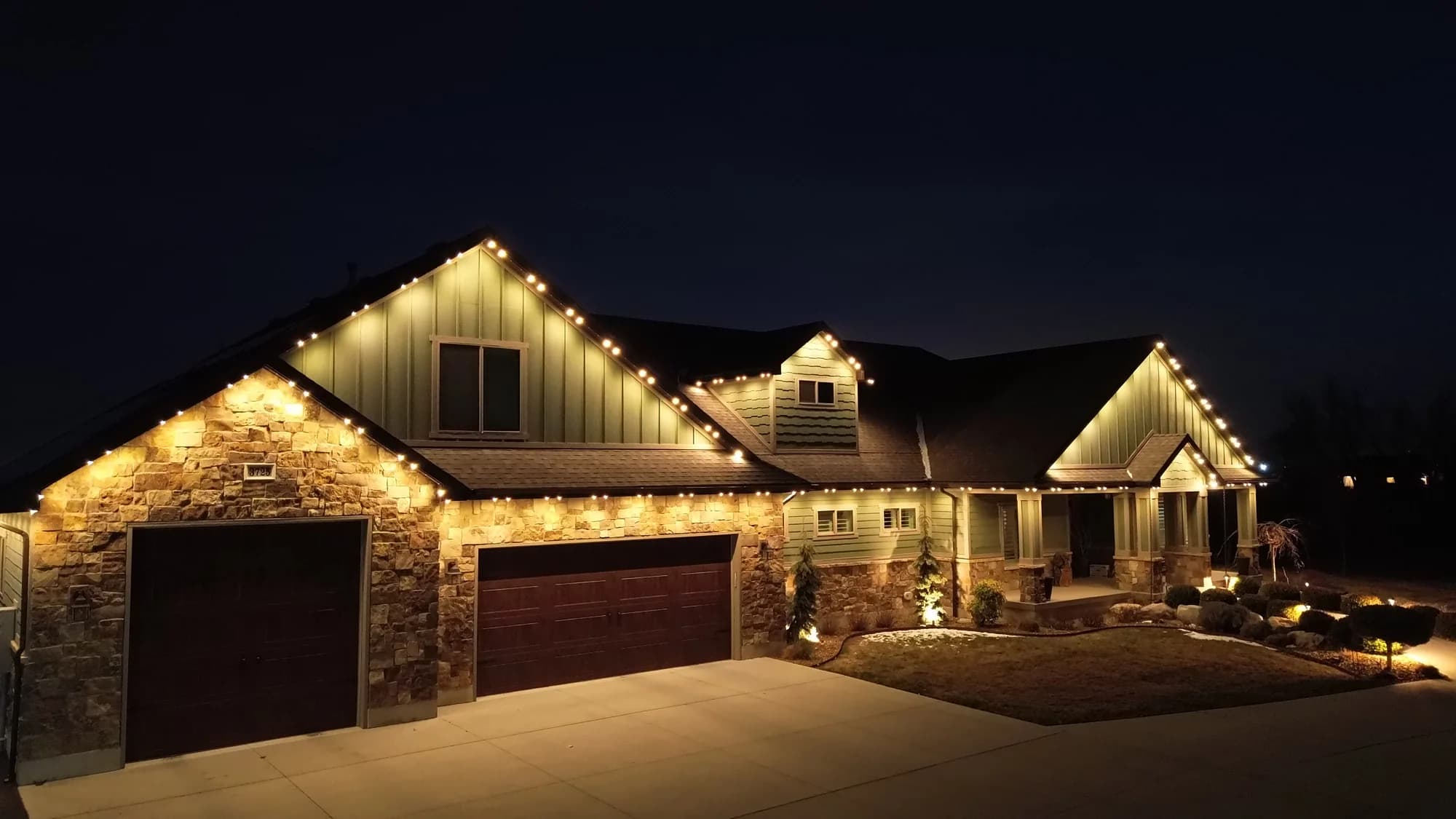
Warm white can bring out the tan and amber tones in stone, brick, and wood. Compare it with a more neutral white before choosing your everyday scene.
How RGB and RGBW produce white
RGB fixtures mix colored channels to produce white. RGBW fixtures have a dedicated white channel as well. Those designs can look different even when both apps label a setting “white.”
TruLight’s fixture has three RGB and three dedicated warm white LEDs. The channels can be combined for different white settings. Ask to see those settings on a demonstration rather than judging from a name in the app.
How does color temperature change the way your home looks?
Try warm and neutral white against the same section of wall. Look at the surface color and shadows from your usual viewing distance. A setting that suits one exterior may not be your preference on another.
You can also save colors for holidays or events, then return to your everyday white scene. Our accent lighting page shows how the system is used around the home.
Want to see what warm white and pure white look like on your home?
What color temperature should I use for different times of year?
Choose a white setting you like for ordinary evenings. Holiday colors and motion-response settings can be configured separately.
For example, you could schedule warm white from sunset to bedtime and use motion to brighten an assigned zone later at night. Ask your dealer to show how the scene returns after motion and how holiday schedules interact with it.
Matching temperature and brightness around the property
Check existing porch lights and floodlights alongside the new system. A cool floodlight on one section of wall can look different from warm roofline lighting above it.
If you want a consistent look, compare the temperatures across the property. That includes coach lights, landscape fixtures, and the roofline.
Set end dates for seasonal scenes if you want the lights to return automatically to your everyday setting.
Adjust brightness after dark. Check the result from the street, the windows, and neighboring areas. You may prefer a lower setting later in the evening.
Saving different lighting scenes
A controllable system lets you change scenes without replacing bulbs. Ask the dealer to demonstrate the white range, brightness controls, and schedules available on the equipment you are buying.
Save the settings you expect to use, such as a soft patio scene or holiday colors. Try them on the house before deciding what should become the daily default.
Frequently asked questions
Is warm white or cool white better for outdoor lighting?
Warm white is worth comparing on brick, sandstone, and tan stucco. A cooler setting may suit a different material or preference. View both at the intended brightness.
What Kelvin temperature is best for residential exterior lighting?
Compare 2700K and 3000K for a warm look, then a neutral setting if you prefer it. The exterior material and surrounding lights affect the result.
Can permanent LED lights change color temperature?
Some systems offer adjustable white settings. RGBW fixtures include a dedicated white channel; ask the dealer to demonstrate the range of the specific product.
What color temperature does TruLight use?
TruLight combines three RGB and three dedicated warm white LEDs. Your dealer can show the available settings and how to save your preferred scene in the app.
Related articles
- RGB vs RGBW Permanent Lighting: Which Is Better for Your Home?
- Designing Architectural Lighting for Stone and Stucco Homes
- Creating Outdoor Mood Lighting for Summer Evenings
Ready to see your home in the right light?
Ask a TruLight dealer to demonstrate white settings against your home or a similar exterior. Compare brightness as well as color temperature before choosing.